


Best Prebuilt Shopify Stores for Easy Launch
If you run a business, starting an online store could be just the game-changer you need to succeed—but not everyone wants—or has expertise—to start building their website from scratch. The good news? No need to build another store from scratch. Here is where prebuilt Shopify stores are so helpful — they give a fast track to “irresistibly neat & clean professional” online, with none of the drudgery. Now, if you are looking to jump in on e-commerce without any of the tech headaches, checking out your best options for prebuilt Shopify stores might be just what you need to quickly launch with success. Why Go For A Prebuilt Shopify Store? Great question, you might be saying “Why not just start from scratch?” Well, the answer is time management efficiently plus a pinch of expertise. They are the turnkey homes of Shopify stores — you can move in and start living… or selling. Why Prebuilt Store is worth choosing? Time-Saving Launching an online store requires lots of work — you have to pick a theme, design it according to your needs, and write product descriptions as well. Configure payment gateways etc… The great thing about this, with a prebuilt Shopify store most of that is already done for you. Professional Design Shopify’s Prebuilt stores are designed by people who have a keen eye on what works in the world of e-commerce. They look nice, are user-friendly, and convert well. This means not only will your store look great but it will convert customers. SEO-Optimized SEO advertising is a very important part to be done along with SEO which helps in driving traffic to your store. A lot of pre-built Shopify stores have been built with SEO-friendly features in mind and are optimized to rank very highly right from the outset. This allows you to be ahead of time in reaching your customers. Tested and Proven So it is not just that the Best Prebuilt Shopify Stores look good too — they are verified. Built-in analytics: These stores usually have built-in, modified over time (we all know that no one will just start tracking some KPI for you), so your store is ready to convert fresh visitors into buyers right from the very moment. Features of a Best Prebuilt Shopify Stores Well, as it turns out not all prebuilt Shopify stores are created equal. Here are a few factors you might want to consider before deciding on a prebuilt store so that you’ll get the most bang for your buck.. Niche Specific If you have picked a niche out already then search for pre-built stores that cater to your market. If you want to sell fitness gear, having a store with new layouts focused on health and wellness could give your shop an advantage. Quality Product Listings The quality of your product listings can be the life or death of your store. Try to find stores that come with product descriptions, images, and even reviews done for you. This will save you time and give you a more polished look instead of writing this JSX code from scratch. SEO Features SEO: as we mentioned above, your blog traffic is nothing without SEO. Ensure the prebuilt store that you select accompanies SEO-accommodating highlights like meta tags, alt text for images, and quick loading speeds. It boosts your store’s rank in the search results and reaches potential customers. Since most consumers are currently buying via their phones you will also need a mobile-friendly store. Choose a prebuilt Shopify store that is completely mobile-optimized and ready to use out of the box. This item includes responsiveness, good navigation, and fast load time. Support and Updates The needs of e-commerce websites change rapidly with technology. Go to the official Shopify store and select a prebuilt dropshipping store, which comes with continuous support, and updates. The E-commerce of The Future Starts Now E-commerce is always growing, and now that the market is practically one big webstore you need to be present online. When you pick a ready-to-use Shopify store, not only are you saving on time and effort but also paving the way to make it big in your space — as we all know how cut-throat is online retail! Ribbitz LLC is dedicated to the entrepreneur in you. Use our best prebuilt Shopify stores for a quick and easy way to get your business online fast. Our team, combined with careful design and SEO optimization and continued support in the future will ensure you not only look good but also succeed against your competition.
Read More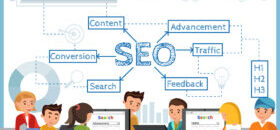
Reliable SEO Outsourcing Agency for Growth
In today’s fast-paced digital world, online is the place to be. But who has time to figure out search engine optimization (SEO)? It’s a lot like trying to solve a Rubik’s Cube blindfolded. That’s where a trusted SEO outsourcing agency comes in, swooping in to save the day like some kind of superhero. As a business owner or marketer, you have about 100 other things to think about. That’s why entrusting an experienced team to focus on your SEO is one of the best decisions you can make. The Basics: Why SEO Matters This scenario can be likened to having a shop in the heart of a busy city but without any sign, light, or anyone knowing where it is. You may have the most perfect products in the entire world, however, if there are no people to see them then who is going to find you? That is what SEO does- it puts up the lights, and signs and makes sure that people will come to you.It’s a fact that search engines are always changing their algorithms, and what was effective back then may not be of help to you today. This is a game of hide and seek, if you are not there, the competitor will take the position. This implies that SEO is not an event but rather a process that continues to evolve. Why Outsource SEO? You can attempt to perform it on your own. But let me ask you a question, do you have the time to drop down and find out the right keywords in every single piece of content that you prepare; or build up links and analyze websites? SEO is much more than just a fast job. It has no finish line since once it’s accomplished today it might need redoing again tomorrow. In this regard it is like a marathon, one may say so about business search engine optimization outsourcing.Here are some solid reasons why outsourcing SEO makes sense: Expertise in Tap An SEO agency is essentially a group of digital ninjas, they’ve spent years training and perfecting their craft which means they know exactly what needs to be done for you to increase your visibility online, they also constantly stay up to date with the latest trends and algorithm updates so you don’t have to. Cost-Effective You can spend a fortune hiring a full-time, in-house SEO specialist, more so for small to medium-sized businesses. Outsourcing gets you the whole team of experts on board at just a fraction of the total cost. Focus on What You Do Best Running a business is demanding work and doesn’t leave much time to master the intricacies of SEO. Outsourcing will allow you to stay focused on your business and customer service, confident that professionals are handling your marketing in the best way possible. Access to the Latest Tools SEO tools are expensive and always changing. An agency worth the investment will come equipped with the best tools in the trade, putting you ahead of the competition. Scalability As you grow your business, your SEO needs are going to grow right along with it. An outsourced team can scale up or down, depending on your specific needs, without the time-consuming effort of hiring and training new employees. What to Look for in an SEO Outsourcing Agency Not all agencies are made equal, so finding the right partner is essential to your business success. Here’s what you should look out for: Personalized Approach At Ribbitz, we take the time to learn your business, your objectives, and what may keep you up at night. We plan a custom strategy that compliments your vision and reaps tangible returns. Data-Driven Strategies We don’t rely on guesswork. One of the ways our team keeps up to date with where we want growth is by utilizing tools and analytics. If you like reading about any of the tech and tips we write strategy on, make sure to check our resources regularly! Comprehensive Services We Have a Wide Range of Services From Keyword Research and Content Creation to Link Building & Technical SEO From basic keyword research and on-site checking to writing blog content, we coordinate a team of specialists who collaborate in everything related to the SEO. Results-Oriented It is not the traffic itself we are interested in — but more so, quality. This is what we do: We bring your ideal leads into the funnel and turn them into raving fans. Long-Term Partnership This is going to be a long haul. We are here to foster long-term relationships with our clients. We want to see you succeed, we aim for your goals. The Future of SEO Outsourcing Just as the digital landscape constantly changes, so too will SEO. The influence of AI, voice search, and mobile-first indexing is becoming more prominent and the tactics that are used to work may not seem sufficient to keep you afloat. This is where having an SEO outsourcing agency can make all of that difference. We are always iterating on ways to become more proactive rather than reactive with our strategies. It could be the ability to adapt, like changing your content for new search algorithms or using AI — but it can give you a leg up over the competition. Conclusion: Take the Leap And if you mean business about taking your online presence to new heights, it is time for you to outsource your SEO.. With our personalized, data-driven strategy you will not only keep up with your competition but leave them in the dust Get ready to level up your business! Contact us to get started!
Read More
The Role of Project Management Systems in Business Success
In today’s fast-paced and highly competitive business landscape, effective project management is crucial for achieving organizational success. Project management systems (PMS) have become indispensable tools for businesses aiming to streamline operations, enhance collaboration, and drive growth. This blog explores the role of project management systems in contributing to business success, outlining their benefits, key features, and how they can be leveraged to achieve strategic goals. What is a Project Management System? A project management system is a software application designed to assist in planning, organizing, and managing resources to achieve specific project goals. It provides tools for scheduling, task management, resource allocation, and performance tracking. By centralizing project information, these systems enable teams to work more efficiently and make data-driven decisions. Benefits of Project Management Systems Enhanced Organization and Efficiency Project management systems help businesses organize tasks, resources, and timelines more effectively. By providing a structured framework for project execution, these systems reduce the risk of missed deadlines and overlooked tasks. Features like Gantt charts, task lists, and calendars enable project managers to visualize the project’s progress and adjust plans as needed, ensuring that everything stays on track. Improved Collaboration and Communication Effective communication is a cornerstone of successful projects. Project management systems facilitate seamless collaboration among team members by providing centralized platforms for communication, file sharing, and real-time updates. Tools such as chat features, discussion boards, and document sharing enhance team coordination, reducing misunderstandings and ensuring that everyone is on the same page. Better Resource Management Resource allocation is a critical component of project management. PMS tools help businesses allocate resources more efficiently by tracking the availability and utilization of personnel, equipment, and budget. This ensures that resources are used optimally, reducing waste and preventing bottlenecks. By analyzing resource data, businesses can make informed decisions about future projects and resource planning. Real-Time Tracking and Reporting One of the significant advantages of project management systems is their ability to provide real-time tracking and reporting. These systems offer dashboards and analytics that give project managers insights into project performance, including progress, budget utilization, and task completion rates. Real-time reporting helps identify issues early and allows for timely interventions, improving overall project outcomes. Increased Accountability and Transparency Accountability and transparency are essential for project success. Project management systems enhance both by providing clear visibility into project roles, responsibilities, and progress. By documenting all project activities and decisions, these systems ensure that team members are held accountable for their tasks and that stakeholders can easily track project status and milestones. Risk Management and Mitigation Projects often involve uncertainties and risks. Project management systems help identify, assess, and manage potential risks by providing tools for risk analysis and mitigation planning. By anticipating risks and implementing proactive measures, businesses can minimize the impact of unforeseen issues and keep projects on course. Enhanced Customer Satisfaction Delivering projects on time, within budget, and to the desired quality standards significantly impacts customer satisfaction. Project management systems contribute to meeting these goals by improving project execution and communication with clients. Timely updates, transparent progress tracking, and efficient issue resolution all contribute to a positive customer experience. Key Features of Project Management Systems Task Management Task management features allow users to create, assign, and track tasks within a project. These tools help ensure that all tasks are completed as planned and that any delays are promptly addressed. Scheduling Tools Scheduling tools, such as Gantt charts and timelines, provide visual representations of project schedules. They help project managers plan and monitor the sequence of tasks and milestones. Resource Management Resource management features track the allocation and utilization of resources, including personnel, equipment, and budget. These tools help optimize resource use and avoid over allocation. Collaboration Tools Collaboration tools facilitate communication among team members and stakeholders. Features such as chat, file sharing, and discussion forums enhance teamwork and information sharing. Reporting and Analytics Reporting and analytics tools provide insights into project performance through dashboards, charts, and reports. These features help project managers track progress, analyze data, and make informed decisions. Integration Capabilities Integration capabilities allow project management systems to connect with other business tools, such as CRM software, accounting systems, and productivity apps. This ensures a seamless flow of information and reduces the need for manual data entry. Choosing the Right Project Management System Selecting the right project management system for your business involves evaluating your specific needs, project complexity, and team size. Consider factors such as ease of use, scalability, and integration capabilities when choosing a PMS. Popular options include Asana, Trello, Microsoft Project, and Jira, each offering unique features to support various project management requirements. Project management systems play a vital role in driving business success by enhancing organization, collaboration, and efficiency. By leveraging these tools, businesses can improve resource management, track progress in real-time, and manage risks effectively. Investing in a robust project management system not only streamlines project execution but also contributes to achieving strategic goals and delivering exceptional results. As businesses continue to navigate complex projects and dynamic environments, the role of project management systems will remain crucial in ensuring sustained success and growth.
Read More
Unity Development: Unlocking the Future of Interactive Experiences
In the realm of digital innovation, Unity stands out as a powerhouse for creating interactive experiences. From immersive games to complex simulations, Unity development is revolutionizing how we engage with technology. This blog explores the essence of Unity development, its key features, and why it is becoming the go-to platform for developers worldwide. What is Unity Development? Unity development refers to the process of creating applications, games, and interactive content using the Unity game engine. Unity, founded in 2005, has evolved into one of the most versatile and widely used platforms for developing both 2D and 3D content. Its user-friendly interface, extensive asset store, and cross-platform capabilities make it a favorite among developers and businesses alike. Why Choose Unity for Development? Cross-Platform Compatibility One of Unity’s standout features is its cross-platform compatibility. Developers can create applications that run on multiple platforms, including iOS, Android, Windows, macOS, and various gaming consoles. This versatility means that businesses can reach a broader audience without needing to redevelop their product for each platform, saving time and resources. User-Friendly Interface Unity’s interface is designed with ease of use in mind. Its drag-and-drop functionality and visual scripting tools allow developers to quickly create and test prototypes. For those who prefer coding, Unity supports C#, a widely used programming language that offers a rich set of features for game development and interactive applications. Rich Asset Store Unity’s Asset Store is a treasure trove of pre-built assets, tools, and plugins that can accelerate development. From 3D models and animations to sound effects and scripts, the Asset Store provides developers with resources that can save time and enhance the quality of their projects. This marketplace also allows developers to buy and sell assets, fostering a vibrant ecosystem of creativity. High-Performance Graphics Unity is renowned for its high-performance graphics capabilities. With support for advanced rendering techniques, such as real-time lighting, reflections, and shadows, Unity enables developers to create visually stunning experiences. The engine’s optimization tools help ensure that applications run smoothly across various devices, enhancing user satisfaction. Strong Community and Support Unity boasts a large and active community of developers, artists, and enthusiasts. This community contributes to a wealth of online resources, including forums, tutorials, and documentation. Unity’s official website and community-driven platforms offer support for troubleshooting, learning, and networking, making it easier for developers to find solutions and stay updated on the latest trends. Applications of Unity Development Game Development Unity is perhaps best known for its role in game development. Its robust features make it ideal for creating engaging and interactive games. Developers can build everything from simple 2D mobile games to complex 3D console games. Unity’s support for virtual reality (VR) and augmented reality (AR) further expands its potential in the gaming industry, allowing for innovative and immersive gameplay experiences. Augmented and Virtual Reality As AR and VR technologies continue to advance, Unity remains at the forefront of these developments. The engine’s compatibility with various VR headsets and AR devices makes it a popular choice for creating immersive experiences. Whether it’s for training simulations, virtual tours, or interactive storytelling, Unity provides the tools necessary to build compelling AR and VR applications. Simulations and Training Unity’s versatility extends beyond gaming into simulations and training applications. Businesses and educational institutions use Unity to create realistic simulations for training purposes. From flight simulators to medical training programs, Unity’s ability to render detailed environments and interactive scenarios makes it an effective tool for skill development and experiential learning. Architectural Visualization Architects and real estate professionals leverage Unity to create detailed visualizations of building projects. By using Unity, they can create interactive 3D models of architectural designs, allowing clients to explore and experience spaces before construction begins. This interactive approach helps in better decision-making and client engagement. The Future of Unity Development The future of Unity development is bright and filled with opportunities. As technology continues to evolve, Unity is consistently updating its features to keep pace with industry trends. The engine’s support for emerging technologies such as machine learning and blockchain is opening new avenues for innovation. Machine Learning Integration Unity’s integration with machine learning tools enables developers to create intelligent systems and adaptive behaviors within their applications. This integration allows for more dynamic and responsive experiences, enhancing user interaction and engagement. Blockchain Technology Blockchain technology is gaining traction in various industries, and Unity is exploring ways to incorporate it into game development and interactive applications. This includes potential applications for secure transactions, digital assets, and decentralized applications (dApps). Increased Focus on User Experience As user expectations continue to rise, Unity is placing a greater emphasis on enhancing user experience. This includes improvements in graphics rendering, user interface design, and performance optimization. Unity’s commitment to user-centric development ensures that applications created with the engine remain competitive and engaging. How to Get Started with Unity Development Getting started with Unity development is accessible, thanks to the platform’s comprehensive resources and support. Here are some steps to help you embark on your Unity development journey: Download and Install Unity Begin by downloading and installing the Unity Hub, which manages Unity installations and projects. Unity offers a free version for personal use and smaller projects, with paid plans available for professional and enterprise needs. Learn the Basics Unity provides extensive learning materials, including official tutorials, documentation, and online courses. Familiarize yourself with the Unity interface, basic scripting, and asset management to build a solid foundation. Start a Project Create a new project and experiment with Unity’s features. Start with simple projects to practice and gradually tackle more complex tasks as you gain confidence. Join the Community Engage with the Unity community through forums, social media, and local meetups. Connecting with other developers can provide valuable insights, feedback, and collaboration opportunities. Unity development is transforming the way we interact with digital content, offering powerful tools for creating games, simulations, and immersive experiences. Its cross-platform capabilities, user-friendly interface, and strong community support make it a top choice for developers and businesses alike. As technology
Read More
The Ultimate Guide to Database Management Systems (DBMS)
In today’s data-driven world, managing data efficiently is crucial for any business or organization. Whether it’s customer information, transaction details, or inventory data, the need for robust and efficient database systems is evident. This is where Database Management Systems (DBMS) come into play. A DBMS is a software application that interacts with the user, applications, and the database itself to capture and analyze data. This guide will take you through the essentials of DBMS, its types, benefits, and why it’s a cornerstone of modern data management. What is a Database Management System (DBMS)? A Database Management System (DBMS) is software designed to store, retrieve, define, and manage data in a database. It acts as an interface between the end-user and the database, ensuring that data is consistently organized and easily accessible. The DBMS allows users to create, read, update, and delete data in the database, ensuring that it remains consistent, accurate, and secure. Types of Database Management Systems There are several types of DBMS, each suited to different needs and use cases: Hierarchical DBMS: This type of DBMS organizes data in a tree-like structure, where each record has a single parent and potentially multiple children. It’s ideal for applications with a clear hierarchical relationship, like organizational structures or file systems. Network DBMS: Similar to the hierarchical model, but in this type, each child record can have multiple parent records, forming a graph structure. This model is useful for complex many-to-many relationships, such as telecommunication networks or transport routes. Relational DBMS (RDBMS): The most common type, RDBMS organizes data into tables (relations) that can be linked—or related—based on data common to each. SQL (Structured Query Language) is typically used to manage and query data in an RDBMS. Examples include MySQL, PostgreSQL, Oracle, and SQL Server. Object-oriented DBMS (OODBMS): This type supports the storage of data in the form of objects, as used in object-oriented programming. It’s ideal for applications that require complex data representations, such as CAD (Computer-Aided Design) systems or AI applications. NoSQL DBMS: Designed for unstructured data and flexible schemas, NoSQL databases (like MongoDB, Cassandra, and Redis) are optimized for specific data models and have been developed to handle the vast scale of modern web applications. NewSQL DBMS: These are relational databases that aim to provide the same scalable performance of NoSQL systems while maintaining the ACID (Atomicity, Consistency, Isolation, Durability) properties of traditional databases. Examples include Google Spanner and CockroachDB. Key Components of a DBMS A DBMS comprises several crucial components that work together to manage data efficiently: Database Engine: The core service for accessing and processing data, managing data storage on disk, and providing transaction management and concurrency control. Database Schema: Defines the logical structure of the database, including tables, fields, relationships, views, indexes, and other elements. Query Processor: Interprets and executes database queries written in SQL or another query language, optimizing them for efficient data retrieval. Transaction Manager: Ensures that all database transactions are processed reliably and adhere to the ACID properties, which maintain data integrity during concurrent access and system failures. Storage Manager: Manages the physical storage of data on disk, handling data allocation, deallocation, and maintenance. Database Administrator (DBA): A person responsible for maintaining, backing up, and securing the database, ensuring its availability and performance. Benefits of Using a DBMS Implementing a DBMS provides numerous advantages: Data Integrity and Security: A DBMS enforces data integrity rules, ensuring that only valid data is stored in the database. It also provides robust security features to protect data from unauthorized access. Efficient Data Management: DBMSs allow for efficient data organization, storage, and retrieval, which saves time and reduces the cost of data management. Data Consistency: By centralizing data management, a DBMS ensures data consistency across multiple applications and users. Scalability: Modern DBMSs are designed to scale easily, allowing businesses to grow their databases as their data needs expand. Backup and Recovery: A DBMS provides tools for automatic backup and recovery, ensuring data is not lost and can be restored quickly in case of failures. Concurrent Access: DBMSs manage concurrent data access efficiently, allowing multiple users to interact with the database simultaneously without conflicts. Improved Data Sharing: With a centralized database, data can be easily shared across different departments or with external stakeholders, promoting better collaboration and decision-making. Use Cases of DBMS DBMSs are used across various industries and applications: E-Commerce Platforms: To manage product catalogs, customer information, and transaction records. Banking Systems: For handling customer accounts, transactions, and other financial data securely and reliably. Healthcare: Managing patient records, treatment histories, and medical research data. Telecommunications: Storing call records, customer data, and network information. Education: For storing student records, grades, and academic research data. Social Media: Managing vast amounts of user data, posts, comments, and interactions. Challenges in Implementing a DBMS While DBMSs offer numerous benefits, they also present certain challenges: Complexity: Setting up and maintaining a DBMS can be complex, requiring specialized skills and knowledge. Cost: High-quality DBMS software can be expensive, particularly for small businesses. Performance: In large-scale environments, DBMS performance can degrade if not properly managed and optimized. Data Security: While DBMSs offer security features, they can also become targets for cyber-attacks, necessitating robust security measures. The Future of DBMS The future of DBMS looks promising, with advancements in cloud computing, AI, and machine learning driving innovation. Cloud-based DBMS solutions, such as Amazon RDS, Google Cloud SQL, and Microsoft Azure SQL Database, offer flexible, scalable, and cost-effective options for businesses of all sizes. Additionally, AI and machine learning integration in DBMSs can automate routine tasks like indexing, query optimization, and anomaly detection, making data management more efficient and reliable. Conclusion A Database Management System is an indispensable tool in today’s data-centric environment. By understanding the types of DBMS, their components, benefits, and challenges, businesses can make informed decisions about selecting the right database solutions for their needs. As technology continues to evolve, so will DBMS, offering even more powerful and flexible data management capabilities in the future. By leveraging a robust DBMS, organizations can
Read More
Maximizing Organic Reach: Tips for Boosting Social Media Traffic in Digital Marketing and IT
In today’s digital age, having a strong online presence is crucial for businesses in the digital marketing and IT industries. With the ever-increasing competition in the online space, it’s essential to maximize organic reach and boost social media traffic to stay ahead of the game. In this blog post, we will discuss some effective tips for increasing your online visibility and driving more traffic to your website. 1. Create High-Quality Content One of the most important factors in boosting social media traffic is creating high-quality, engaging content. Content that is informative, relevant, and valuable to your target audience is more likely to be shared and engaged with on social media platforms. Make sure to use relevant keywords and optimize your content for search engines to improve its visibility. 2. Utilize Social Media Platforms Engaging with your audience on social media platforms is essential for increasing your online visibility. Create a strong presence on platforms like Facebook, Twitter, LinkedIn, and Instagram, and regularly share your content to reach a wider audience. Use hashtags and tags to increase the visibility of your posts and encourage sharing. 3. Collaborate with Influencers Partnering with influencers in the digital marketing and IT industries can help you reach a larger audience and increase your social media traffic. Identify influencers who align with your brand values and target audience, and collaborate with them to create engaging content that promotes your products or services. 4. Optimize Your Website for SEO Search engine optimization (SEO) is crucial for improving your website’s visibility in search engine results. Make sure to optimize your website’s meta tags, headings, and content with relevant keywords to improve its ranking on search engines like Google. Regularly update your website with fresh content to keep it relevant and engaging for visitors. 5. Engage with Your Audience Building a strong relationship with your audience is key to increasing social media traffic. Respond to comments, messages, and feedback from your followers to show that you value their input. Encourage user-generated content and create interactive posts to keep your audience engaged and coming back for more. 6. Analyze and Adjust Your Strategy Regularly monitor your social media performance and website analytics to track the effectiveness of your marketing efforts. Identify which strategies are working well and which ones need improvement, and adjust your approach accordingly. Experiment with different tactics to see what resonates best with your audience. By implementing these tips, you can maximize your organic reach and boost social media traffic in the digital marketing and IT industries. Stay consistent with your efforts and continue to adapt to the ever-changing online landscape to stay ahead of the competition. For more insights on digital marketing strategies, check out this article. For the latest updates on the crypto world, read this article.
Read More
The Growing Demand for Java Developers: Why Specialization Matters
In today’s competitive technology landscape, businesses are seeking top-tier talent to remain competitive and fuel innovation. Among the many roles in the tech industry, Java developers are highly sought after for their ability to build robust, scalable, and efficient applications. As one of the most widely used programming languages globally, Java continues to be a cornerstone for enterprise-level development, cloud-based services, mobile applications, and more. However, as the demand for skilled Java developers rises, so does the importance of specialization. Companies are not just looking for generic developers who know Java, but professionals with deep expertise in particular domains, frameworks, and industries. In this blog, we’ll highlight why specialization is critical in technology candidates, specifically Java developers, and how this can provide businesses with a competitive advantage. Why Java Developers Are Essential in the Tech Landscape Java has maintained its position as one of the most reliable and versatile programming languages for over two decades. Its portability, security features, and vast ecosystem make it the go-to choice for many industries, from financial services to telecommunications. Java developers are responsible for designing, developing, and maintaining applications that require high levels of security, performance, and scalability. Key areas where Java development is indispensable: Enterprise Solutions: Java’s scalability makes it ideal for large enterprises that require systems capable of handling millions of transactions daily. Mobile Applications: Android, the world’s most popular mobile operating system, is largely built on Java, making Java developers key players in mobile development. Cloud Computing: Java is one of the most used languages in cloud computing platforms, thanks to its stability and security. Big Data & Analytics: Java frameworks such as Hadoop allow for processing large amounts of data efficiently, making Java developers crucial in big data projects. Given Java’s widespread use, the specialization of Java developers has become even more important to cater to industry-specific needs. The Importance of Specialization for Java Developers The technology sector is evolving at breakneck speed, with new tools, frameworks, and methodologies emerging regularly. Simply being familiar with Java isn’t enough anymore. Specialization allows Java developers to focus their skills on niche areas, ensuring they stay ahead of the curve and meet the specific needs of industries. Here’s why specialization matters: 1. Enhanced Efficiency and Productivity A Java developer with specialized expertise can efficiently solve complex problems within their domain. For example, a Java developer specializing in microservices architecture will know how to design scalable systems with minimal downtime. Their knowledge of best practices and performance optimization will lead to faster project execution, saving time and resources for businesses. 2. Domain-Specific Knowledge Industries such as finance, healthcare, and e-commerce have unique requirements that differ from standard Java applications. A Java developer with a background in fintech will have a deep understanding of security protocols, compliance requirements, and transaction handling, making them invaluable for financial services companies. Likewise, those specializing in healthcare will be familiar with regulations such as HIPAA and best practices for handling patient data securely. By focusing on industry-specific challenges, specialized Java developers can offer tailored solutions that provide superior value to clients. 3. Access to Cutting-Edge Technologies Java development is constantly evolving, with new frameworks and tools emerging to address specific problems. Developers who specialize in certain areas tend to have better exposure to cutting-edge technologies. For instance: Spring Framework: Java developers who specialize in enterprise application development often use the Spring framework, a powerful tool for building large-scale, production-grade applications. Kubernetes and Docker: Developers working with Java in the cloud often specialize in container orchestration tools like Kubernetes and Docker, which enable efficient deployment and scaling. Apache Kafka: Java developers in big data and real-time streaming will likely specialize in tools like Apache Kafka, which allows for handling massive streams of real-time data. 4. Increased Problem-Solving Capabilities Specialized Java developers can approach problems with an informed perspective. A developer with experience in machine learning using Java will be equipped with the tools and knowledge to integrate artificial intelligence (AI) into applications. This kind of expertise goes beyond general knowledge and allows companies to implement advanced, cutting-edge solutions to their technical challenges. Types of Java Developer Specializations Here are a few key specializations within the Java developer role: 1. Full-Stack Java Developers Full-stack Java developers possess expertise in both front-end and back-end development. They can create an entire application, from the user interface (using JavaScript frameworks like Angular or React) to the back-end (using Java with frameworks like Spring or Hibernate). Full-stack developers offer a comprehensive skill set, making them valuable to startups and smaller companies that need flexible talent. 2. Java DevOps Engineers Java DevOps engineers focus on streamlining the development and deployment processes. They have a deep understanding of automation tools like Jenkins, Docker, and Kubernetes and specialize in continuous integration and continuous delivery (CI/CD) pipelines. By automating routine tasks, DevOps engineers improve the efficiency of development teams, reduce deployment times, and enhance software quality. 3. Java Cloud Specialists Java cloud specialists work with cloud service providers like AWS, Azure, and Google Cloud Platform to build, deploy, and manage Java applications in the cloud. They specialize in cloud-native architecture and scalable services, which are essential for modern web applications and distributed systems. 4. Java Microservices Developers With the rise of microservices architecture, there is a growing need for Java developers skilled in this area. Microservices developers specialize in breaking down monolithic applications into smaller, independently deployable services. This specialization allows for greater flexibility, scalability, and fault tolerance in large applications. 5. Java Data Engineers Data engineers specializing in Java often work on big data platforms and frameworks, such as Hadoop, Apache Spark, and Kafka. These professionals focus on building data pipelines, processing large datasets, and implementing real-time analytics solutions. How Specialization Benefits Employers When companies hire specialized Java developers, they gain a competitive edge. These developers bring depth to their roles, understanding industry-specific challenges, working more efficiently, and implementing modern solutions. Here are a few ways specialization benefits employers: Faster Time-to-Market: Specialized developers can quickly identify
Read More
Flexible Workforce Solutions: Onshore and Offshore Talent at Ribbitz
In today’s rapidly evolving business landscape, companies are constantly seeking innovative ways to optimize their workforce. One effective strategy is leveraging both onshore and offshore talent. Ribbitz stands out as a premier provider, offering U.S.-based candidates alongside a robust global network of offshore talent. This dual approach not only enhances flexibility but also maximizes efficiency and cost-effectiveness. The Ribbitz Advantage 1. Onshore Talent: Local Expertise Ribbitz understands the importance of having talent that is familiar with the local market dynamics. By providing access to U.S.-based candidates, businesses can benefit from: Cultural Understanding: Onshore talent brings local insights that can help tailor products and services to meet regional demands. Communication Ease: Proximity and shared time zones facilitate smoother collaboration, reducing potential misunderstandings and enhancing productivity. Compliance and Regulations: U.S.-based professionals are well-versed in local laws and industry standards, ensuring that your projects align with regulatory requirements. 2. Offshore Talent: Global Reach Expanding your talent pool to include offshore candidates opens up a world of possibilities. Ribbitz connects businesses with skilled professionals from around the globe, offering: Cost Efficiency: Offshore talent often comes at a lower labor cost, allowing companies to maximize their budgets without sacrificing quality. Specialized Skills: Access to a diverse talent pool means that businesses can find specialized skills that may not be readily available in the U.S. market. 24/7 Productivity: By utilizing offshore teams in different time zones, companies can achieve round-the-clock productivity, ensuring projects move forward without delay. Why Choose Ribbitz? Ribbitz not only offers a seamless blend of onshore and offshore talent but also emphasizes flexibility and customization. Here’s why Ribbitz is the go-to choice for businesses looking to enhance their workforce: Tailored Solutions: Ribbitz takes the time to understand your specific needs, providing candidates that align with your business goals. Rigorous Screening Process: Each candidate is carefully vetted to ensure they meet the highest standards of quality and expertise. Ongoing Support: Ribbitz provides continuous support throughout the hiring process and beyond, helping to integrate talent into your team effectively. Conclusion In an increasingly competitive marketplace, having access to both onshore and offshore talent is not just an advantage—it’s a necessity. Ribbitz empowers businesses to thrive by offering a flexible, diverse, and skilled workforce tailored to their unique needs. Whether you’re looking for local expertise or global innovation, Ribbitz has the solutions to elevate your business. For more information about how Ribbitz can transform your talent acquisition strategy, visit Ribbitz LLC.
Read More
Top Programming Languages to Watch Out for in 2025
In the fast-evolving world of technology, staying up to date with the latest programming languages is crucial for both seasoned developers and newcomers. As the landscape continues to shift, certain languages stand out, whether due to their versatility, ease of use, or strong industry demand. Here are the top programming languages that will dominate the tech industry in 2025. 1. Python: The Ever-Popular Choice Python continues to hold its ground as one of the most popular programming languages in 2025. Known for its simplicity and readability, it is a versatile language that is widely used for web development, data science, artificial intelligence (AI), machine learning (ML), and automation. Why Python? Python’s syntax is clear and concise, making it an ideal language for beginners. Its rich library support and strong community make it easier to find resources, tutorials, and libraries for virtually any task. Additionally, frameworks like Django and Flask remain highly popular for web development, while libraries such as TensorFlow and PyTorch continue to be essential in AI and ML projects. Use Cases: Web development Data science and analytics AI and ML applications Automation scripts With Python’s ongoing adaptability and widespread use, it is likely to remain a top choice for developers well into the future. 2. JavaScript: The Web’s Backbone JavaScript is another programming language that has remained indispensable, particularly for front-end development. By 2025, JavaScript will continue to be the go-to language for developing interactive and responsive websites. Why JavaScript? JavaScript’s ability to integrate seamlessly with HTML and CSS makes it essential for building websites. Additionally, frameworks like React, Angular, and Vue.js have made front-end development faster and more efficient. On the server side, Node.js provides a way for developers to use JavaScript for backend development, further cementing its dominance. Use Cases: Front-end web development Full-stack development (with Node.js) Mobile app development (React Native) Game development (with libraries like Phaser) With a thriving ecosystem and continuous innovation, JavaScript remains critical for web-based projects, and its future looks brighter than ever. 3. Rust: Rising in Popularity Rust has rapidly grown in popularity due to its focus on performance and safety. By 2025, Rust is expected to cement its place as a go-to language for systems programming and applications that require speed and low-level control. Why Rust? One of Rust’s key strengths is its memory safety features. The language prevents common programming errors such as null pointer dereferencing and buffer overflows without sacrificing performance. Additionally, its ownership system ensures efficient memory management. This makes Rust particularly appealing for building web browsers, game engines, and system-level applications. Use Cases: Systems programming Game development WebAssembly applications Embedded systems Rust’s rising popularity is driven by its unique combination of speed and safety, making it a top contender in 2025. 4. Go (Golang): Simplicity and Performance Go, or Golang, is a language designed by Google that focuses on simplicity and high performance. As cloud computing and distributed systems continue to dominate the tech landscape, Go will remain a popular choice for building scalable and efficient software in 2025. Why Go? Go’s simple syntax makes it easy to learn, yet it offers powerful concurrency features that make it ideal for building scalable applications. Its efficient memory usage and quick execution speed make it perfect for cloud-native applications and microservices architecture. Go’s robust standard library also reduces the need for external dependencies, making development faster and more streamlined. Use Cases: Cloud computing Microservices architecture Backend systems DevOps tools In the world of large-scale distributed systems, Go’s simplicity and efficiency ensure its relevance for years to come. 5. Kotlin: A Strong Contender for Mobile Development Since its introduction, Kotlin has been positioned as a powerful alternative to Java, particularly in Android app development. By 2025, Kotlin will remain a strong contender for mobile development, and its popularity may continue to grow. Why Kotlin? Kotlin offers concise syntax and improved safety features compared to Java, while still being fully interoperable with it. Kotlin’s null safety, type inference, and extension functions make coding faster and reduce the chances of runtime errors. With Google’s official support for Kotlin in Android development, it’s becoming the preferred language for many mobile developers. Use Cases: Android app development Server-side development Cross-platform mobile development (with Kotlin Multiplatform) Web development (with Kotlin/JS) Kotlin’s robust feature set and Google’s backing make it a major player in the mobile development space. 6. TypeScript: JavaScript’s Safer Alternative TypeScript is a superset of JavaScript that brings static typing to the table. In 2025, it will likely continue to grow in popularity, particularly among developers working on large-scale applications. Why TypeScript? By adding static types, TypeScript makes code more predictable and easier to debug, particularly in large projects. It also allows for better tooling support, making refactoring and maintaining code easier over time. Since it compiles down to JavaScript, TypeScript is compatible with any JavaScript project, giving developers the best of both worlds: type safety and flexibility. Use Cases: Large-scale web applications Full-stack development Server-side development (with Node.js) Front-end frameworks (e.g., Angular) TypeScript’s continued rise reflects the demand for more reliable and maintainable JavaScript-based code. 7. Swift: Leading the Charge in Apple Ecosystem Swift remains the dominant language for iOS and macOS app development. In 2025, it is expected to maintain its stronghold, particularly as Apple’s ecosystem continues to grow. Why Swift? Swift is designed to be fast and safe, offering modern features that make it easier for developers to write clean, maintainable code. Its powerful performance and reduced latency compared to Objective-C have made it the preferred choice for Apple developers. As Apple continues to innovate with platforms like ARKit and SwiftUI, Swift will be at the forefront of mobile and wearable development. Use Cases: iOS app development macOS app development WatchOS and tvOS applications Augmented reality (AR) and virtual reality (VR) applications Swift’s simplicity, speed, and close integration with Apple hardware will ensure its dominance in the Apple ecosystem for years to come. 8. SQL: The Backbone of Data Management While not a new language, SQL remains
Read More
The Future of Software Development: Trends, Tools, and Best Practices
Software development has come a long way from its early days of manual coding and siloed teams. As the backbone of modern technology, it continuously evolves, driving industries, innovation, and progress across the globe. The exponential growth in software needs, user expectations, and technological capabilities are shaping the future of this dynamic field. In this blog, we’ll explore the latest trends, tools, and best practices in software development. 1. Agile and DevOps: The New Normal Agile methodology has long been a staple in software development, offering flexibility, adaptability, and faster release cycles. It emphasizes collaborative work, customer feedback, and continuous improvement. Agile’s cousin, DevOps, takes things a step further by integrating development and operations teams, promoting automation, collaboration, and a continuous delivery pipeline. Why Agile and DevOps? Speed and Efficiency: Agile methodologies enable faster development cycles, while DevOps ensures smooth deployments and minimal downtime. Collaboration: Both approaches rely on cross-functional teams, breaking down silos and fostering a culture of collaboration between developers, testers, and operations. Automation: Automation is at the core of DevOps, from testing to deployment. This reduces human error and ensures consistency across environments. The shift to Agile and DevOps is particularly relevant today when businesses need to respond to rapidly changing markets, roll out updates faster, and handle complex environments efficiently. 2. The Rise of Low-Code and No-Code Development Low-code and no-code platforms are revolutionizing how software is built. These platforms allow users to develop applications through graphical interfaces, reducing the need for extensive coding expertise. By enabling faster development and lowering the technical barrier, they open the door to a broader range of people becoming involved in software creation. Benefits of Low-Code/No-Code Platforms: Accelerated Development: Companies can launch products faster by automating much of the development process. Cost-Effective: Reducing the need for a large team of highly skilled developers, businesses can save significantly on development costs. Inclusive Innovation: Even non-developers or those with minimal coding skills can create functional applications, promoting wider participation in the development process. Although low-code/no-code platforms have their limits, they are perfect for building simple, business-focused applications and speeding up prototyping. 3. AI and Machine Learning in Development Artificial Intelligence (AI) and Machine Learning (ML) have moved from theoretical concepts to practical tools in software development. They are increasingly being used to enhance development processes, automate mundane tasks, and offer powerful insights that aid decision-making. AI and ML Use Cases in Software Development: Code Suggestions and Debugging: Tools like GitHub Copilot use AI to suggest code snippets, speeding up development while reducing errors. Automated Testing: AI-powered tools can conduct tests faster and more accurately than manual methods, detecting bugs and vulnerabilities earlier in the process. Predictive Analytics: AI can analyze vast amounts of data to predict potential challenges in code performance, providing developers with proactive solutions. The integration of AI and ML into development workflows reduces manual effort, enhances productivity, and leads to more sophisticated software solutions. 4. Cloud-Native Development As cloud computing becomes ubiquitous, so does cloud-native development. Cloud-native applications are built to run in cloud environments, taking advantage of the cloud’s scalability, flexibility, and services. Key Characteristics of Cloud-Native Development: Microservices Architecture: Cloud-native apps typically follow a microservices architecture, where the application is broken down into smaller, independently deployable services. This allows for greater flexibility and scalability. Containerization: Tools like Docker and Kubernetes enable developers to package applications with all dependencies, ensuring they can run consistently across different environments. Continuous Integration/Continuous Deployment (CI/CD): CI/CD pipelines ensure that code changes are automatically tested and deployed, allowing for more frequent and reliable updates. Cloud-native development is essential in today’s world of distributed teams and global businesses, where scalability and uptime are paramount. 5. Cybersecurity by Design With growing concerns around data breaches, ransomware, and cyberattacks, developers are increasingly adopting a “security-first” approach. Rather than treating security as an afterthought, modern software development integrates security practices from the very beginning of the development lifecycle. Best Practices for Cybersecurity in Software Development: Secure Coding Standards: Following secure coding practices reduces the risk of vulnerabilities being introduced during development. Regular Penetration Testing: This helps identify vulnerabilities that could be exploited in production environments. Data Encryption: Protecting sensitive data through encryption ensures that even if data is intercepted, it cannot be easily read or exploited. Shift-Left Security: By integrating security testing earlier in the development process, teams can identify and address security vulnerabilities before they become critical. Given the increasing sophistication of cyber threats, cybersecurity is no longer optional. It is a fundamental aspect of building trustworthy software. 6. Progressive Web Apps (PWAs) Progressive Web Apps (PWAs) represent the next generation of web applications. PWAs combine the best of both web and mobile applications, offering features like offline access, push notifications, and fast loading times. Why PWAs Matter: Cross-Platform Compatibility: PWAs work on any device with a web browser, removing the need to develop separate applications for different platforms. Improved Performance: PWAs load faster and provide a smoother user experience than traditional web applications. Offline Functionality: With service workers and caching, PWAs can function even in areas with poor internet connectivity. PWAs are a cost-effective alternative to building native mobile apps, especially for businesses looking to enhance their web presence without investing in platform-specific development. 7. Best Practices for Modern Software Development While keeping up with the latest trends and tools is important, there are fundamental best practices that should remain consistent in any software development project: Version Control: Using tools like Git for version control ensures that code changes are tracked and teams can collaborate efficiently. Code Reviews: Regular code reviews improve code quality, promote knowledge sharing, and help catch bugs early. Test-Driven Development (TDD): Writing tests before coding ensures that the codebase is robust and minimizes the risk of defects. Documentation: Well-documented code is easier to maintain, especially for new developers joining a project. Continuous Learning: The tech industry is always evolving, so it’s crucial for developers to keep learning new languages, tools, and methodologies. The software development landscape is continuously evolving, driven
Read More