


How to Choose the Right Software Development Partner: A Complete Guide for 2026
Learn how to evaluate and select the right software development partner for your business in 2026. This comprehensive guide covers technical evaluation, communication assessment, engagement models, red flags, and decision-making frameworks.
Read More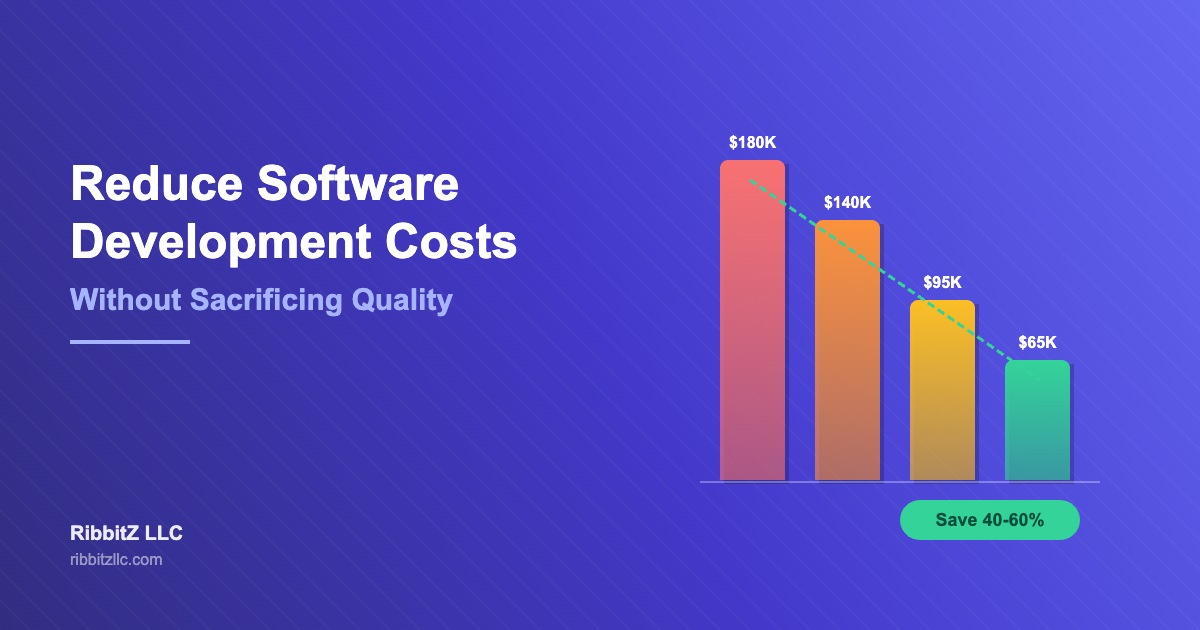
How to Reduce Software Development Costs Without Sacrificing Quality
8 proven strategies to cut software development costs by 30-50% while maintaining code quality and delivery speed.
Read More
The Role of Website Development in Business Growth
Picture entering a poorly lit store with cluttered shelves and no one to direct you. Would you linger and shop, or leave? Now apply that to your company’s online presence. If your site is slow, outdated, or hard to use, prospects won’t linger. A website is more than an internet address,it’s your online shop, brand representative, and lead sales tool all rolled into one. In the rapidly changing online economy of today, a business cannot succeed without investing in professional website development services. From building trust to generating sales, a well-crafted website can be the difference maker. In this blog, we are going to talk about why website development matters, the most important features of a high-performing site, the latest web development trends, and how RibbitZ LLC can help companies develop a strong online presence. Why Website Development is Critical for Business Success Building Credibility and Trust A website-less business is difficult to trust. If customers search for a brand on the internet and realize there is no website, they will wonder whether it exists. A business website guarantees prospective customers that your business is professional, trustworthy, and dedicated to offering quality services. Increasing Brand Visibility Compared to a physical store with limited working hours, a website is available 24/7. It allows potential customers to find your products at their convenience, whether surfing between work breaks, late at night, or at the weekend. A good online presence puts your business within reach and accessible to a worldwide market. Maximizing Customer Participation and Retention A well-structured website keeps visitors engaged by providing them with useful information, ease of navigation, and a good browsing experience. Interactive contact forms, engaging graphics, and easy design keep visitors around and browsing different pages. The longer they stay on your website, the higher the chances of them becoming paying customers. Driving Sales and Revenue A website is a great medium for selling that can influence your earnings directly. It could be an eCommerce site where the customer buys directly online or a services site that generates leads via bookings and enquiries, but a well-built website facilitates the process of selling and optimizes conversions. Achieving a Competitive Advantage In the competitive business environment of the present day, organizations without an online presence will fall behind. A properly designed website provides organizations with a competitive advantage by showcasing their USPs, enhancing customer experience, and getting a better search engine ranking. Organizations that spend money on website development are likely to surpass their competitors and gain a loyal customer base. Key Characteristics of a High-Performing Site Mobile-Friendly and Responsive Design Over half of all users of the internet surf the net on mobile. A site which is not designed for mobile web browsing can create a bad user experience, resulting in high bounce rates and losing potential business. A responsive layout makes sure your site is beautifully displayed and is easy to navigate on every device, from phone to tablet to desktop. Quick Loading Speed Research has indicated that users leave pages that load longer than three seconds. A slow website can harm user experience, search engine ranking, and conversion. Optimization of images, code cleanliness, and the use of good hosting services are required to ensure the website loads quickly. Search Engine Optimization (SEO) An attractive website is useless if nobody can locate it. Search engine optimization (SEO) helps your website rank higher on search engines so that prospective clients can locate your business more easily. Effective keyword placement, quality content, and technical SEO practices such as meta tags and backlinks all help increase search engine visibility. Secure and Encrypted (SSL Certification) Companies and users care about site security. Confidential information is encoded by an SSL certificate, ensuring users’ security from cyber threats and establishing credibility. Search engines such as Google also favor secure websites, making security a primary search ranking parameter. Convenient Navigation A website must be user-friendly, making it easy for visitors to locate what they are searching for without any inconvenience. The application of a simple-to-use menu, friendly design, and well-structured content enhances user experience and invites visitors to learn more. Interactive Images and Content Content has an important part to play when it comes to maintaining visitors interested. Quality photos, insightful articles, engaging films, and testimonies from satisfied customers all help attract attention and establish credibility. A compelling site speaks about the company and relates to its community. Social Media Integration and Contact Form Social media integration enables businesses to reach out to customers through different platforms. Including social media profile links and live chat, inquiry form, and appointment scheduling capabilities makes it convenient for visitors to interact with the business. Current Trends in Website Development in 2025 1. AI-Driven Web Design Artificial intelligence (AI) is revolutionizing web development with its ability to design personalized user experience, automated bots, and voice search optimization. AI software assists companies in analyzing consumer behavior and delivering personalized content. Dark Mode and Minimalist Design Most sites nowadays have a dark mode, which is less taxing on the eyes and better to read. Minimalist design trends prefer clean layouts, minimal color schemes, and uncluttered navigation for the sleek, contemporary look. Progressive Web Apps (PWAs) Progressive web apps combine the functionality of a website and a mobile application. They are quick to load, offline-friendly, and provide a seamless user experience. Businesses investing in PWAs can increase engagement and customer retention. Voice Search Optimization With the emergence of voice assistants such as Alexa and Siri, voice search optimization for websites has become a necessity. Voice search content and markup in structured data enable better search ranking and accessibility. Motion UI and Micro-Interactions Animations, hover interactions, and micro-interactions increase the interactivity and engagement of websites. Discreet visual elements enhance the users’ experience and urge visitors to the site to take action. Why Select RibbitZ LLC for Web
Read More
The Custom Software Development in Driving Business Success
Companies are under greater pressure to innovate and change according to shifting market needs. The best method of gaining this agility could perhaps be through custom software development. Custom software solutions allow companies to automate processes, improve customer interactions, and stay competitive. Understanding Custom Software Development Custom software development is an exercise in crafting, building, executing, and maintaining software programs that address specific organizational or business requirements. Compared to off-the-shelf software that offers universal functionalities to target broad-based constituents, custom software is tailored to address unique requirements and challenges. With the tailored solution, the software is specifically crafted to complement existing processes and goals. Benefits of Custom Software Development Personalized Solutions: Tailor-made software is created to serve the particular requirements of a business, with all the functions that go hand-in-hand with organizational goals. Personalization results in better efficiency and productivity. Scalability: When companies grow, so do their needs and processes. Custom software may be created to be scalable, allowing for effortless expansion and upgrade to be achieved as it grows without extensive revamps. Integration: The majority of businesses utilize a range of different software programs. Custom software can be developed that integrates seamlessly with existing tools so that data flows easily and is less prone to errors. Competitive Advantage: By introducing innovative features customized to particular business requirements, bespoke software can bestow a competitive advantage, allowing organizations to provide services or functionality not available to competitors. Improved Security: Software can be customized with advanced security measures tailored to the specific threats a company faces, reducing the risks associated with generic software solutions. The Development Process Starting a project for creating bespoke software entails a sequence of major steps: Requirement Analysis: Identifying the specific needs and goals of the company to determine the scope and features of the software. Design: Developing detailed design documents and prototypes to see the structure and user interface of the software. Development: Coding and bringing design documents to life as an operational software product. Testing: Performing thorough testing to determine and fix any bugs or problems, making the software work as expected. Deployment: Installing the software into the production environment and integrating it with the current infrastructure. Maintenance: Offering continued support to repair any damage, install updates, and implement new features when necessary. Selecting the Ideal Development Partner Choosing a trustworthy development partner is a key determinant of success for a custom software project. The following should be taken into account: Experience and Expertise: Assess the partner’s experience in creating customized software solutions, especially in your business. Portfolio: Consider previous projects to determine how good and varied their work is. Client Testimonials: Request testimonials from previous clients to gauge levels of satisfaction and the partner’s ability to deliver on time and within budget. Communication: Keep the partner updated and in constant communication throughout the development process. Investing in custom software development is a strategic choice that can drive your business toward increased efficiency, scalability, and competitiveness. Selecting a development company such as RibbitZ LLC guarantees that your software solutions are not only customized to your precise requirements but also crafted with experience and a profound knowledge of your company. Leverage the potential of custom software to fuel your business success in the digital age.
Read More
Is WooCommerce Safe?
Ensuring WooCommerce Security a Comprehensive Guide Introduction With the help of WooCommerce, a well-known eCommerce plugin for WordPress, companies can create and run online stores. Because of its many customization options and strong feature set, merchants of all sizes choose it. WooCommerce is prone to security flaws, though, just like any other software, which could jeopardize private information and cause problems for business operations. However, one question that often arises is WooCommerce safe to use. In this article, we will explore whether is WooCommerce safe. and provide insights into the security measures. Although a WooCommerce-powered website is intrinsically safe, its owners must exercise constant caution. No matter how big your company is, you might still have to deal with security-related problems like fraud, hackers, and brute force attacks, among others. The WooCommerce Ecosystem This ecosystem lists the goods, services, and individuals connected to WooCommerce. To comprehend the vulnerabilities in WooCommerce security, we must first grasp the WooCommerce ecosystem. The WordPress Core Team WordPress Core security is very high by design. WordPress has a group of committed workers whose primary responsibility is to maintain WordPress’ security. They deploy the most cutting-edge security measures and frequently release patches. WooCommerce Developers and Third-Party Collaborators To make their websites aesthetically pleasing and manageable, website owners employ a variety of themes and plugins. However, there are more potential entry points for hostile actors the more extensions there are. To address security vulnerabilities, it’s essential to select the appropriate plugins and update them frequently. To guarantee the security of your WooCommerce website, use Astra’s WordPress Security Plugin. The WooCommerce Community WooCommerce has an active community on many social media sites, most notably Facebook. Passionate users work together to support one another, sharing insightful advice and pointers on enhancing WooCommerce security. This enthusiastic community reinforces the platform’s dedication to a safe and knowledgeable user base by acting as a central location for ongoing knowledge sharing and real-time support. Is WooCommerce Safe By Default? WooCommerce, at its core, is designed with security in mind. The plugin incorporates various safeguards to protect your website and customer information. These include: Regular security updates: Keep up with WooCommerce security announcements and install updates as soon as possible to take advantage of the most recent fixes and improvements. Engaging in active participation within the WooCommerce community allows you to exchange experiences, learn from one another, and work together to keep the platform safe and reliable for all users. Secure payment gateways: WooCommerce’s seamless integration with reputable payment gateways not only ensures secure financial transactions but also instills confidence in customers, contributing to a trustworthy and reliable e-commerce experience. User role management: Strong user role management in WooCommerce allows administrators to do more than just limit access to critical information. By customizing permissions, they can create a safe environment that is exactly in line with each user’s unique requirements and responsibilities within the system. Data encryption: In order to provide a secure and reliable e-commerce environment, WooCommerce’s dedication to security includes the use of cutting-edge encryption techniques, which add an extra line of defense to protect sensitive data like customer passwords and payment information. Additional Security Measures to Fortify Your WooCommerce Store Maintaining up-to-date security knowledge and conducting routine security audits will strengthen your WooCommerce store even more. Additionally, to guarantee a strong defense against constantly changing online threats, think about using reliable security plugins and keeping up-to-date backups. Keep WooCommerce Updated: To further increase security, think about enforcing strict password guidelines for user accounts and using two-factor authentication (2FA). Keeping a close eye on user activity logs will also help you quickly identify and address any strange or possibly malicious activity occurring on your WooCommerce store. Choose a Secure Web Host: Choose a reputable web host that places a high priority on security and provides strong defenses against online fraud. Choose a managed hosting package that has intrusion detection systems, firewalls, and malware scanning included. Utilize Strong Passwords: Make sure that all users, including administrators, clients, and contributors, follow strict password policies. Promote the use of complicated passwords; steer clear of popular terms and private information. Secure WordPress Installation: Additionally, keep a close eye on activity on your WooCommerce website and log any suspicious activity right away to spot any unusual activity. Adding an extra layer of security to your WordPress-based eCommerce platform through the implementation of an SSL certificate ensures a comprehensive approach to defending against potential security threats. Install Security Plugins: Plan frequent automated backups of your website as well to lessen the effects of any security breaches and expedite recovery. Instruct your staff on security best practices to raise awareness among all members and improve your WooCommerce store’s overall resistance to changing online threats . Regularly Back Up Your Store: Additionally, test the backup restoration procedure regularly to make sure it works well in an emergency. Keep a written incident response plan that outlines what to do in the event of a security breach so that you can respond quickly and professionally to safeguard your eCommerce company’s information and the data of your customers. Educate Employees: Promote a security-conscious culture among your staff by stressing the value of reporting any questionable activity right away. Maintaining a proactive and watchful staff will help to protect your eCommerce business. Training should be updated and reinforced regularly to keep up with evolving cyber threats. Monitor and Respond: Install automated alerting systems to receive timely notifications of anomalous trends or possible security breaches. Review and update your security procedures regularly in light of monitoring insights to make sure your WooCommerce store is protected from new threats in the ever-changing online environment. Conclusion Update WordPress core and your WooCommerce plugin frequently to fix security flaws and make sure the newest security features are in place. To reduce potential risks, implement strong password policies, use two-factor authentication for admin accounts, and audit user access on a regular basis. To proactively address any possible security issues, you should also think about utilizing a
Read MoreHow to Connect High Level to Shopify API
A high-level connection to the Shopify API opens up a world of possibilities for businesses looking for seamless integration and advanced customization in the fast-paced world of e-commerce. We are going to look into the complexities of high-level Shopify API connections in this extensive guide, covering everything from the fundamentals to overcoming obstacles and investigating how to connect high level to shoplifty api practical uses. I. Introduction Brief Overview of Shopify API The foundation of e-commerce is the Shopify API, which gives developers the resources they need to integrate and improve online stores. It serves as a link between Shopify and third-party apps, enabling automation and data sharing. Importance of Connecting at a High Level High-level connectivity gives businesses access to cutting-edge features that let them design a customized and effective online shopping experience for their clients. II. Understanding Shopify API Explanation of Shopify API The Application Programming Interface, or Shopify API, is a collection of guidelines and resources that facilitates communication between various software programs. It enables smooth integration by facilitating data interchange between Shopify and external systems. Key Features and Capabilities Shopify API has many features that make e-commerce operations easier, from handling orders and customer information to managing inventory and products. III. Why Connect at a High Level? Advantages of High-Level Connectivity Enhanced Customization: A high-level connection gives you more freedom to alter the overall functionality and user interface of an online store. Effective Automation: To increase efficiency, businesses can automate difficult tasks like inventory control and order fulfillment. Enhanced Customization Opportunities High-level connectivity makes it possible for companies to implement distinctive features and user experiences by going beyond the capabilities of standard APIs. IV. Prerequisites for High-Level Connection Necessary Tools and Software Make sure you have the necessary software and development tools installed before beginning high-level API integration. Development frameworks, version control systems, and code editors may be examples of this. Basic Knowledge Requirements It is imperative to have a basic understanding of web development, programming languages (like Python or JavaScript), and Shopify’s API documentation. V. Step-by-Step Guide to Connect High-Level to Shopify API Initial Setup Establish a development store and a Shopify partner account first. This offers a testing sandbox where real stores are not impacted. Authentication Process Understand the Oath authentication process, which involves obtaining API credentials and configuring secure access to Shopify data. Endpoint Selection Choose the appropriate API endpoints based on the desired functionality. This may include endpoints for products, orders, customers, and more. Handling Data Securely Implement secure practices for handling sensitive data, such as using HTTPS and encrypting API requests and responses. VI. Common Challenges and Solutions Troubleshooting Connection Issues Address common challenges, such as authentication errors or data synchronization issues, with effective troubleshooting strategies. Best Practices for Avoiding Pitfalls Proactively implement best practices to avoid potential pitfalls, including regular testing, error handling, and keeping API credentials secure. VII. Real-world Applications Examples of Businesses Benefiting from High-Level API Connection Explore how businesses across various industries leverage high-level Shopify API connections to enhance their online presence and streamline operations. Success Stories and Case Studies Dive into real-world success stories, showcasing the positive impact of high-level API integration on businesses’ growth and efficiency. VIII. Future Trends in Shopify API Integration Emerging Technologies Stay ahead of the curve by exploring emerging technologies, such as artificial intelligence and machine learning that can be integrated into Shopify API for enhanced functionality. Opportunities for Innovation Identify opportunities for innovation in e-commerce by leveraging advanced features and functionalities offered by Shopify API. IX. Tips for Optimizing High-Level Shopify API Connection Performance Enhancements Optimize the performance of your high-level API connection by implementing caching, minimizing requests, and optimizing code. Security Measures Prioritize security by regularly updating API credentials, monitoring for suspicious activities, and adhering to Shopify’s security guidelines. X. Best Practices for Developers Coding Guidelines Follow coding best practices to ensure clean, maintainable, and efficient code. This includes proper documentation and adherence to Shopify’s API coding standards. Testing Methodologies Implement robust testing methodologies, including unit testing and integration testing, to identify and address issues before they impact the live environment. XI. Customer Feedback and Satisfaction Importance of User Feedback Encourage user feedback to understand the user experience and identify areas for improvement in your high-level API integration. Addressing User Concerns Proactively address user concerns by providing prompt support and continuously refining your API integration based on customer feedback. XII. Continuous Improvement Strategies Keeping Up with Shopify Updates Stay informed about Shopify updates and regularly update your integration to take advantage of new features and improvements. Iterative Development Approach Adopt an iterative development approach, continuously refining and expanding your high-level API integration based on evolving business needs and technological advancements. XIII. Conclusion Recap of Key Points In conclusion, connecting at a high level to Shopify API offers businesses unparalleled opportunities for customization, automation, and innovation. Encouragement for Exploring High-Level Connectivity As the e-commerce landscape evolves, embracing high-level connectivity to Shopify API is not just a trend but a strategic move towards staying competitive and meeting the dynamic needs of online consumers. Missouri Web Design FAQs What Benefits Does High-Level Shopify API Connection Offer? The high-level connection provides enhanced customization opportunities and efficient automation, empowering businesses to create a tailored online shopping experience. Are There Any Risks Associated with Connecting at a High Level? While the benefits are significant, businesses should be mindful of potential security risks and ensure the proper implementation of security measures during high-level API integration. How Can Beginners Start with Shopify API Integration? Beginners can start by creating a Shopify partner account, setting up a development store, and following a step-by-step guide to high-level API integration. Can I Connect Multiple Shopify Stores Using High-Level Integration? Yes, high-level integration allows businesses to connect and manage multiple Shopify stores seamlessly for centralized control and efficiency. What Security Measures Should Be Taken During the API Connection Process? Security measures include using HTTPS, encrypting API requests and responses, and regularly updating API credentials to protect sensitive data.
Read MoreFawry Payment Plugin WordPress
Fawry Payment Plugin WordPress: Streamlining Transactions What’s the Fawry Payment Plugin? The Fawry Payment Plugin is a robust tool strategically crafted to empower WordPress websites, enabling them to seamlessly accept payments through Fawry Payment Plugin Worpress– a trusted and prominent payment gateway in Egypt and the Middle East. Renowned for its reliability, Fawry stands out by offering a diverse array of payment methods. Users can transact with ease using credit cards, debit cards, cash on delivery, and mobile wallets. Importance of Fawry Payment in WordPress In a digital age where convenience is key, Fawry emerges as a game-changer for WordPress users. It provides a hassle-free solution to enhance the payment process, ensuring a user-friendly experience for both website owners and customers. How do I use the Fawry Payment Plugin for WordPress? Using the Fawry Payment Plugin WordPress is a breeze, ensuring a hassle-free payment experience for both website owners and customers. The installation process is swift, activation is straightforward, and you can swiftly begin receiving payments. The plugin seamlessly integrates with major WordPress themes and plugins, and even with WooCommerce, the go-to platform for those seeking flawless e-commerce transactions. Whether you’re running a personal blog or a thriving online store, the Fawry Payment Plugin for WordPress offers a secure, efficient, and user-friendly solution for processing payments, elevating your website’s capabilities, and enhancing the overall user experience. Installing the Fawry Payment Plugin Installing the Fawry Payment Plugin on your WordPress site is a straightforward process. Follow these simple steps to seamlessly integrate Fawry and enhance your online payment capabilities: Login to your WordPress Admin Dashboard: – Navigate to the admin area of your WordPress site by logging in. Access the Plugins Section: – In the left sidebar, locate and click on “Plugins.” Click on “Add New”: – Once in the Plugins section, click on the “Add New” button. Search for “Fawry Payment Plugin”: – In the search bar, type “Fawry Payment Plugin” and press Enter. Install Fawry Payment Plugin: – Look for the official Fawry Payment Plugin in the search results. – Click the “Install Now” button next to the plugin. Activate the Plugin: – After installation, click on the “Activate” button to activate the Fawry Payment Plugin. Configure Fawry Settings: – Once activated, go to the plugin settings. – Enter your Fawry credentials and configure the settings according to your preferences. Test Transactions: – Before making the plugin live, conduct a few test transactions to ensure everything is working smoothly. By following the above steps, you’ll successfully install and set up the Fawry Payment Plugin WordPress on your WordPress site, providing a seamless and secure payment experience for your users. Fawry Payment Plugin Features The Fawry Payment Plugin for WordPress is a security-centric powerhouse, offering robust encryption, multi-factor authentication, and tokenization. With an intuitive interface, it ensures a seamless and user-friendly payment process, supporting diverse payment methods like credit cards and mobile wallets. Effortless integration with major themes and plugins, including WooCommerce, amplifies e-commerce capabilities. Real-time transaction monitoring enhances transparency, while global transaction support expands reach. Customizable settings cater to specific needs, and responsive customer support ensures assistance. Regular updates introduce new features, solidifying Fawry as a reliable, efficient, and continuously evolving payment solution for WordPress websites. Why Choose the Fawry Payment Plugin? Simplicity Personified: Experience hassle-free integration with the Fawry Payment Plugin. Its user-friendly setup ensures a swift and straightforward installation, making it accessible to users of all technical backgrounds. Say goodbye to complexities and hello to instant payment acceptance on your WordPress website. Versatile Payment Spectrum: Fawry stands out by offering a diverse array of payment methods, catering to various customer preferences. Whether it’s credit cards, debit cards, cash on delivery, or modern mobile wallets, the plugin provides unparalleled versatility, enhancing the overall shopping experience for your customers. Security as a Cornerstone: Rest easy with Fawry’s commitment to security, aligning with PCI DSS standards. Your transactions are shielded, and data remains confidential, establishing Fawry as a secure and reliable choice for online payments. Budget-Friendly Excellence: Fawry Payment Plugin WordPress recognizes the value of cost-effectiveness for businesses. With competitive pricing, it remains a budget-friendly solution suitable for businesses of all sizes. Access top-notch payment services without straining your financial resources, making Fawry an attractive and value-driven option. Benefits of Using Fawry in WordPress Using Fawry in WordPress brings forth a myriad of benefits, enhancing the overall online transaction experience. Streamlining Payments: Fawry streamlines the payment process, making transactions quick and efficient for both website owners and customers. Fawry Payment Plugin WordPress ensures a seamless payment process for your customers for e-commerce. Enhanced Security: Fawry prioritizes security with robust encryption and tokenization, ensuring that sensitive data remains confidential and protected. User-Friendly Interface: The user-friendly interface of Fawry makes it easy for both beginners and experienced users to navigate, contributing to a positive user experience. Global Transactions: Fawry supports international transactions, allowing businesses to expand their reach and cater to a global audience. Convenience for Users: Customers benefit from the convenience of using Fawry, with features like saved payment details for faster checkouts and a hassle-free payment experience. Compatibility with Themes: Fawry is designed to be compatible with a wide range of WordPress themes, ensuring seamless integration without compromising website aesthetics. Cost-Effective Solutions: Fawry offers various plans, including free options with basic features, making it a cost-effective choice for Real-Time Transaction Monitoring: Website owners can monitor transactions in real time, gaining insights into payment activities and ensuring a transparent and accountable process. Adaptability to Business Models: Fawry’s versatility allows it to adapt to diverse business models, providing tailored solutions for small businesses, large enterprises, and e-commerce platforms. Continuous Updates and Support : Fawry consistently updates its features and provides reliable customer support, ensuring that users have access to the latest functionalities and assistance when needed. Integrating Fawry into your WordPress site goes beyond just facilitating transactions; it contributes to a secure, efficient, and user-friendly online payment ecosystem. Fawry Payment Plugin
Read More10 Essential Tips for Mastering Front End Web Development
Front end web development plays a crucial role in creating engaging and user-friendly websites. Whether you’re a beginner or an experienced developer, mastering front end development techniques can significantly enhance your skills and career prospects. In this blog, we’ll explore ten essential tips to help you become proficient in front end web development. Stay Updated with Latest Technologies: The digital landscape is constantly evolving, with new frameworks, libraries, and tools emerging regularly. Stay updated with the latest trends and technologies such as HTML5, CSS3, and JavaScript frameworks like React, Angular, or Vue.js. Master HTML and CSS: HTML (Hypertext Markup Language) and CSS (Cascading Style Sheets) are the building blocks of web development. Understand the fundamentals of HTML for structuring web pages and CSS for styling them. Practice creating responsive layouts and mastering CSS preprocessors like Sass or Less. Learn JavaScript: JavaScript is a powerful scripting language that adds interactivity and dynamic functionality to websites. Learn JavaScript fundamentals such as variables, loops, functions, and DOM manipulation. Explore modern JavaScript features like ES6 syntax and asynchronous programming. Responsive Web Design: With the increasing use of mobile devices, responsive web design is essential for ensuring that websites adapt seamlessly to different screen sizes and resolutions. Learn CSS media queries and responsive design principles to create websites that look great on all devices. Cross-Browser Compatibility: Test your websites across different web browsers and devices to ensure compatibility. Consider using tools like BrowserStack or CrossBrowserTesting to identify and fix any compatibility issues. Optimize Website Performance: Website performance is critical for user experience and search engine rankings. Optimize your code, minimize HTTP requests, and leverage techniques like lazy loading and code splitting to improve loading times. Accessibility Matters: Make your websites accessible to users with disabilities by following web accessibility standards such as WCAG (Web Content Accessibility Guidelines). Use semantic HTML, provide alternative text for images, and ensure keyboard navigation. Version Control with Git: Git is a powerful version control system used by developers to track changes in their codebase. Learn Git basics such as commits, branches, and merges to collaborate effectively with other developers and manage your projects efficiently. UI/UX Design Principles: Understanding basic principles of user interface (UI) and user experience (UX) design can enhance the usability and effectiveness of your websites. Focus on usability, consistency, and simplicity in your designs to create intuitive user experiences. Continuous Learning and Practice: Front end web development is a dynamic field that requires continuous learning and practice. Stay curious, explore new technologies, and build projects to apply your skills and reinforce your learning. In conclusion, mastering front end web development requires dedication, practice, and staying updated with the latest technologies and best practices. By following these ten essential tips, you can enhance your skills, create exceptional websites, and advance your career in this exciting field. Keep learning, experimenting, and building, and you’ll be well on your way to becoming a proficient front end developer.
Read MoreThe Power of Website Optimization: Boosting Your Online Presence
In the fast-paced digital world, having a strong online presence is crucial for businesses of all sizes. One of the most effective ways to achieve this is through website optimization. By fine-tuning various elements of your website, you can improve user experience, increase search engine visibility, and ultimately drive more traffic and conversions. In this guide, we’ll explore the key strategies and best practices for optimizing your website to ensure maximum impact and success. Understanding Website Optimization Website optimization involves making improvements to your website to enhance its performance, usability, and visibility. It encompasses a range of techniques, including technical optimization, on-page optimization, and off-page optimization, all aimed at improving the overall user experience and driving desired outcomes. Key Strategies for Website Optimization 1. Technical Optimization Technical optimization focuses on the backend aspects of your website that affect its performance and accessibility. This includes optimizing site speed, ensuring mobile responsiveness, implementing structured data markup, and creating an XML sitemap. By addressing these technical factors, you can improve your website’s crawlability, indexability, and overall functionality. 2. On-Page Optimization On-page optimization involves optimizing individual pages of your website to improve their relevance and visibility in search engine results. Key aspects of on-page optimization include conducting keyword research, optimizing meta tags, and optimizing content for readability and relevance. By incorporating targeted keywords strategically and optimizing content structure, you can improve your website’s search engine rankings and attract more organic traffic. 3. Off-Page Optimization Off-page optimization focuses on building authority and credibility for your website through external factors such as backlinks and social signals. This includes acquiring high-quality backlinks from reputable websites, fostering engagement on social media platforms, and building relationships with influencers in your industry. By increasing your website’s authority and relevance, you can improve its visibility and attract more traffic from search engines and social media. Best Practices for Effective Website Optimization 1. Conduct Regular Audits Regularly audit your website to identify areas for improvement and optimization opportunities. This includes analyzing key metrics such as site traffic, user engagement, and conversion rates, as well as conducting technical audits to identify any issues that may be affecting your website’s performance. 2. Stay Updated with SEO Trends Stay informed about the latest trends and developments in search engine optimization (SEO) to ensure that your optimization strategies remain relevant and effective. This includes keeping up-to-date with algorithm updates, industry news, and best practices, and adapting your approach accordingly to stay ahead of the competition. 3. Monitor and Analyze Performance Use web analytics tools to monitor your website’s performance, track user behavior, and measure the effectiveness of your optimization efforts. This includes analyzing key metrics such as organic traffic, bounce rate, and conversion rates to gauge the impact of your optimization strategies and make data-driven decisions to improve your website’s performance. Conclusion: Unlocking Your Website’s Potential Website optimization is a powerful tool for businesses looking to enhance their online presence and drive meaningful results. By implementing the strategies and best practices outlined in this guide, you can optimize your website to attract more traffic, improve user experience, and ultimately achieve your business goals. Don’t underestimate the power of website optimization – invest the time and effort into optimizing your website, and you’ll reap the rewards in the form of increased visibility, engagement, and conversions.
Read More
Ribbitz: DesignRush Unveils the Best Web Development Companies in July 2024
Exciting News: Our Company Named One of the Best Web Development Companies for 2024 by DesignRush! In an exciting update for the tech and business world, DesignRush has announced its list of the Best Web Development Companies for July 2024. Released through PR Newswire on July 3, 2024, this announcement highlights the top firms in web development, showcasing industry leaders who are pushing the boundaries of digital innovation and excellence. We are thrilled to share that our company has been recognized as one of the best web development companies in this prestigious list! Key Highlights Firstly, let’s look at the key details: Date and Time of Release: July 3, 2024, 11:30 AM ET Total Pickup Over Time: The announcement has seen significant engagement, reflecting the industry’s keen interest in this prestigious list. Media Coverage and Reach The announcement has garnered substantial attention. For instance: 157 exact match postings across various platforms. 87.3 million potential audience reached. Breakdown of Pickup by Source Type: Moreover, here is the breakdown by source type: Newspapers: 120 mentions (76.4% of the total). Online News Sites & Other Influencers: 26 mentions (16.6%). Blogs: 5 mentions (3.2%). Information Websites: 1 mention (0.6%). Broadcast Media: 1 mention (0.6%). Other Sources: 4 mentions (2.5%). Industry-Specific Pickup: Additionally, here is the industry-specific breakdown: Media & Information: 130 mentions (82.8%). Tech Industry: 8 mentions (5.1%). Business Services: 7 mentions (4.5%). Financial Sector: 7 mentions (4.5%). General Interest: 3 mentions (1.9%). Other Industries: 2 mentions (1.3%). The Impact of Being Named Among the Best Being listed among DesignRush’s Best Web Development Companies is a significant accolade. Consequently, for our company, it not only validates our hard work and innovation but also positions us as leaders in a highly competitive market. This recognition can lead to increased visibility, new business opportunities, and a strengthened reputation in the industry. Why This Matters Web development is a critical component of the digital age, driving the creation of user-friendly, efficient, and innovative websites that businesses rely on to engage customers and grow their operations. Therefore, the companies recognized by DesignRush are at the forefront of this field, setting benchmarks for quality, creativity, and technological prowess. Conclusion In conclusion, the announcement of DesignRush’s Best Web Development Companies for July 2024 is a momentous occasion, highlighting the best in the industry and underscoring the importance of excellence in web development. As these companies continue to innovate and lead, they set the standard for others to follow, ensuring the continued evolution and improvement of web technologies. Stay tuned to Ribbitz for more updates and insights from the world of web development and digital innovation. For further details, you can visit the official PR Newswire release. By keeping abreast of these industry recognitions, businesses can make informed decisions when choosing partners for their web development needs, ensuring they collaborate with only the best the industry has to offer.
Read More